

At Health Point Physiotherapy, we have developed a special program for managing a vast range of mental health conditions. You can find out more about our ADAAP (Anti-Depression and Anti-Anxiety Physiotherapy) Program here: https://healthpointphysiothera...
We would also like to share some information with you on this subject via a Q&A below. Please note that while exercise is not a replacement for professional treatment, it is a powerful tool that can play a key role in both preventing and managing mental health conditions.
Q: Can exercise really improve mental health?
Yes. Strong, reliable research has shown exercise is a powerful, evidence-based way to improve mental wellbeing. Exercise can increase production of mood boosting chemicals in the brain and reduce stress. Exercise improves sleep, energy levels, builds routine and confidence, and can be a great way to connect with people and reduce isolation. This, in turn, further helps in managing some mental health disorders.
Q:What mental health conditions can exercise help with?
Exercise has been shown to benefit individuals diagnosed with depression and
anxiety and is often used as an effective treatment as it can manage symptoms,
improve mood and enhance quality of life.
Q. How much exercise is required to see benefits?
Benefits can be seen even with small doses of exercise; 10 minutes a day can help
lower the risk of depressive episodes.
Q: What type of exercise is best?
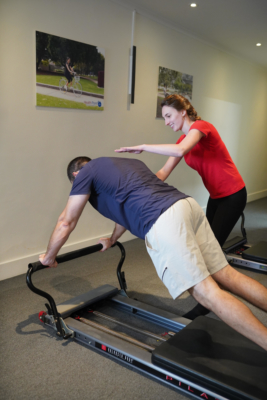
Both aerobic (swimming, cycling, walking, running) and resistance training (Clinical Pilates, weight lifting) can reduce symptoms of mental illness. We recommend including both aerobic training and strength training in your regime, choosing activities you enjoy so you stay consistent.
If you have questions, or would like to book an appointment, please contact us.
Phone: 9576-9233
Email: admin@healthpointphysiotherapy.com.au